


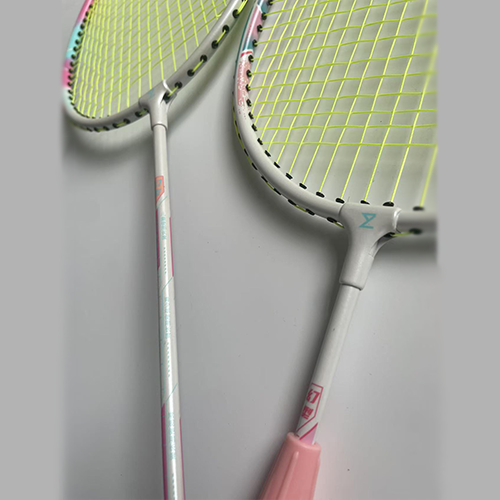
The racket sports market has changed significantly in recent years as players become more informed, more performance-driven, and more selective about the equipment they buy. Consumer preferences in modern racket sports equipment are shaped by a mix of comfort, power, control, durability, design, and sport-specific performance needs. Whether the sport is tennis, badminton, Pickleball, squash, padel, or table tennis, buyers now expect equipment that improves playability while matching their skill level, physical profile, and training goals.
This article explores the key trends, product definitions, buyer expectations, material choices, size specifications, and performance features that influence consumer decisions in modern racket sports equipment. It is written to support SEO-friendly blog pages, category pages, directory pages, and industry content hubs with clear structure, original wording, and keyword-rich information.
Consumer preferences refer to the features, characteristics, and benefits that buyers value most when selecting racket sports equipment. In modern racket sports, these preferences are no longer limited to price and appearance. Shoppers now evaluate frame weight, balance point, string tension, grip size, handle shape, surface texture, shock absorption, and material composition. Many consumers also compare equipment based on game style, injury prevention, portability, and compatibility with their skill level.
Modern buyers often look for products that offer a balance between performance and comfort. For example, beginner players may prefer lighter rackets with larger sweet spots, while advanced athletes may prioritize precision, aerodynamics, and customized control. This shift has encouraged manufacturers across the racket sports industry to develop more specialized product lines and more detailed technical specifications.
Understanding consumer preferences is essential for product development, merchandising, and content strategy. In the global racket sports equipment market, players expect equipment that supports better technique, reduces fatigue, and enhances consistency. Preferences influence which products are popular in retail, which features are emphasized in listings, and how equipment is categorized across sports and skill segments.
From a business perspective, consumer preference data helps identify demand for lightweight rackets, vibration control systems, larger hitting zones, premium grips, and durable string materials. From a user perspective, these preferences determine whether the equipment feels natural, reliable, and effective during play. In a competitive market, product success depends heavily on aligning equipment design with the expectations of targeted consumer groups.
Modern racket sports equipment is evaluated through a combination of technical and practical factors. The most important consumer preference drivers include:
Racket sports are not identical, and consumer preferences vary across categories. Below is a high-level view of how preferences differ by sport.
| Racket Sport | Typical Consumer Preference | Main Performance Focus | Common Buying Priority |
|---|---|---|---|
| Tennis | Balanced power and control, frame stability, string feel | Groundstroke consistency, serving power, spin | Frame weight, head size, string pattern |
| Badminton | Lightweight handling, fast swing speed, quick reaction | Net play, quick defense, sharp shot placement | Low weight, flexibility, aerodynamic shape |
| Pickleball | Comfortable grip, control, easy power, larger sweet spot | Dinking, control, soft touch, consistent response | Paddle material, core thickness, grip comfort |
| Squash | Fast maneuverability, precision, stable frame response | Shot accuracy, speed, close-range control | Light frame, head shape, maneuverability |
| Padel | Power-control balance, larger hitting zone, easy handling | Rally stability, wall play, controlled power | Racket balance, core feel, surface response |
| Table Tennis | Spin sensitivity, quick touch, blade feel, speed variation | Rapid exchanges, spin control, reaction speed | Blade construction, rubber surface, handle grip |
Weight is one of the most important purchase factors in racket sports equipment. Many consumers prefer lighter rackets because they are easier to swing, easier to control, and less tiring during long matches. Lighter products can also help beginners develop technique more comfortably, while advanced players may choose slightly heavier options for stability and shot depth.
However, lighter is not always better. Some players want additional mass for better momentum, improved plow-through, or a more solid impact feel. In general, consumer preference follows the idea that equipment should feel easy to handle while still delivering the desired level of power and precision.
| Weight Category | General Consumer Appeal | Typical Advantage | Common Use Case |
|---|---|---|---|
| Ultra-light | High maneuverability and low fatigue | Quick reactions, easy swing speed | Badminton, table tennis, beginner sports use |
| Light | Comfortable handling and broad appeal | Balanced ease and control | Beginners and intermediate players |
| Medium | Balanced power and stability | Versatile performance | All-around players |
| Heavy | More solidity and impact mass | Higher stability and stronger shot feel | Advanced or power-oriented users |
Balance point has a direct impact on how a racket or paddle feels during movement. Consumers who prefer faster handling often choose head-light equipment because it is easier to accelerate and reposition. Players who want a more neutral feel may prefer even-balance designs, while power-focused consumers often gravitate toward head-heavy models.
This preference is especially important in racket sports where rapid changes in direction are common. A well-balanced racket can reduce fatigue, improve timing, and support a more natural swing path. Many buyers now check balance specifications before checking brand details, showing how technical awareness has grown in the consumer market.
| Balance Type | Consumer Preference Profile | Main Benefit | Typical Player Style |
|---|---|---|---|
| Head-light | Fast, reactive, maneuverable | Quick handling and easier defense | Net players, defensive players, quick movers |
| Even balance | Versatile and neutral | Mixed power-control performance | All-round players |
| Head-heavy | Power-oriented and stable | More momentum in offensive shots | Attack-focused players |
Grip comfort is a major consumer preference because it affects control, confidence, and injury prevention. Players want a handle that feels secure without causing slipping, pressure points, or wrist strain. Soft-touch grip materials, moisture management, and ergonomic handle geometry are increasingly important in modern racket sports equipment.
Consumers often choose products based on grip thickness and texture. A grip that is too small can feel unstable, while one that is too large can reduce wrist mobility. The modern buyer tends to favor equipment that offers a comfortable, controlled hold with options for replacement grips or Overgrips. This demand reflects the broader preference for customization and personal fit.
| Grip Feature | Consumer Preference | Practical Advantage |
|---|---|---|
| Soft grip surface | High comfort and reduced hand fatigue | Better feel during long sessions |
| Anti-slip texture | Secure handling in sweaty conditions | Improved control and confidence |
| Ergonomic handle shape | Natural hand positioning | Reduced wrist stress |
| Customizable grip thickness | Personal fit and adaptability | Better comfort for different hand sizes |
Material choice is one of the strongest indicators of product quality and consumer preference. In modern racket sports equipment, buyers often look for materials that improve strength, responsiveness, and durability while keeping weight manageable. Composite materials, carbon-based structures, graphite blends, fiberglass layers, and high-performance polymers are widely associated with premium performance.
Consumers generally prefer materials that provide a good balance of rigidity and flexibility. A very stiff frame may improve power transfer but feel less forgiving, while a softer build may increase comfort and touch. Because of this, material marketing often focuses on “controlled flex,” “lightweight strength,” and “shock reduction,” all of which appeal to performance-conscious buyers.
| Material Type | Consumer Perception | Key Benefit | Common Equipment Use |
|---|---|---|---|
| Carbon fiber / graphite | Premium and performance-focused | High strength-to-weight ratio | Tennis, padel, squash, badminton |
| Fiberglass | Comfort-oriented and accessible | Softer feel and easier handling | Pickleball, padel, recreational rackets |
| Aluminum | Affordable and durable | Simple construction and value | Entry-level rackets |
| Polymer core materials | Modern control and touch preference | Impact absorption and consistency | Pickleball paddles, table tennis blades |
| Hybrid composite structures | Advanced and versatile | Tailored balance of feel and strength | Modern all-around racket sports products |
One of the most important consumer preference patterns in racket sports equipment is the balance between power and control. Some players want equipment that helps generate faster ball or shuttle speed with minimal effort. Others value precision, touch, and placement more than raw force. Modern product development often tries to bridge this gap by offering models that deliver both attributes in moderate amounts.
Consumers with aggressive playing styles tend to seek power-enhancing features such as stiffer frames, larger sweet spots, or more responsive surfaces. Control-focused buyers usually prefer softer feel, accurate response, and predictable trajectory. This trade-off is a major reason why the market offers so many variations in frame profile, core thickness, string arrangement, and balance point.
| Preference Type | Consumer Need | Product Feature | Ideal Player Profile |
|---|---|---|---|
| Power-oriented | Easy depth and stronger shot output | Stiffer structure, larger striking zone | Offensive players, aggressive hitters |
| Control-oriented | Accuracy and shot placement | Stable feel, responsive touch, lower trampoline effect | Tactical players, precision users |
| Balanced | Mixed performance | Moderate flexibility and neutral response | Recreational and all-around players |
Skill level is one of the clearest predictors of equipment preference. Beginners usually look for forgiving rackets that make the game easier to learn. Intermediate players often want a more specialized feel that helps improve consistency. Advanced players generally know their technical needs and focus on precise performance characteristics.
Beginner-friendly equipment often includes larger sweet spots, lighter frames, softer response, and simple handling. Intermediate equipment may introduce more control and more specific balance characteristics. Advanced equipment usually emphasizes custom feel, higher-quality materials, and less forgiveness in exchange for better feedback and shot precision.
| Skill Level | Typical Consumer Preference | Equipment Characteristic |
|---|---|---|
| Beginner | Forgiveness, comfort, easy handling | Lightweight, larger sweet spot, soft feel |
| Intermediate | Balanced performance and improved control | Moderate weight, better stability, refined feel |
| Advanced | Precision, customization, and high responsiveness | Technical specs, specialized balance, premium materials |
Durability is a practical preference that strongly influences consumer trust. Buyers want equipment that can withstand repeated impact, surface wear, and daily training conditions. This is especially important for frequent players and competitive users who expect long service life from their racket sports equipment.
Durable products are often perceived as better value, even when they come at a higher price point. Consumers may compare frame resistance, string lifespan, surface abrasion resistance, and handle wear. In modern retail environments, durability language can be a major conversion factor because it helps customers justify the purchase.
Design matters more than ever in the modern sports equipment market. Consumers are drawn to sleek styling, premium finishes, matching color palettes, and visually modern product identities. A clean, professional look can increase perceived quality and make the product more appealing on digital storefronts and social media.
While appearance does not determine on-court performance by itself, it has a strong emotional influence on buying behavior. Many consumers associate a modern aesthetic with advanced engineering, better quality control, and greater professionalism. For this reason, design presentation is now a major part of racket sports branding and product merchandising.
Personalization is increasingly important in consumer preferences for modern racket sports equipment. Players want products that can be adjusted through grip changes, string tension changes, surface texture choices, or weight tuning. This demand reflects the broader shift toward athlete-specific equipment rather than one-size-fits-all models.
Custom-fit equipment can improve comfort, confidence, and consistency. It also helps players feel that the racket or paddle is tailored to their style. This is especially appealing to serious hobbyists and competitive players who are looking for marginal gains in performance.
| Specification | What Consumers Often Want | Why It Matters |
|---|---|---|
| Frame weight | Light to medium for easy handling | Improves maneuverability and reduces fatigue |
| Balance point | Neutral or sport-specific balance | Affects power, speed, and control |
| Grip size | Comfortable and secure hand fit | Supports control and reduces slipping |
| Sweet spot size | Larger sweet spot for forgiveness | Makes off-center hits more manageable |
| Surface feel | Consistent touch and response | Helps with spin, control, and shot confidence |
| Vibration damping | Reduced shock and arm stress | Improves comfort during repeated impact |
| Durability | Long-lasting frame and surface performance | Increases product value and lifespan |
| Design style | Modern, clean, premium appearance | Supports brand appeal and buyer confidence |
The growth of recreational participation has changed the market structure for racket sports equipment. More casual players are entering the category, which increases demand for user-friendly rackets, forgiving paddles, and accessible pricing. At the same time, competitive players continue to push demand for specialized high-performance equipment. These two groups create a broad market spectrum with clearly different consumer preferences.
Recreational buyers often prioritize ease of use, comfort, and affordability. Competitive buyers tend to focus on precision, material quality, and fine-tuned technical characteristics. This split in the market encourages manufacturers and retailers to organize products around audience type, sport type, and skill level rather than using a single general category.
Across all racket sports, the most desired advantages remain consistent. Consumers want equipment that helps them play better, feel better, and enjoy the game more. The strongest value propositions usually include:
For content pages focused on consumer preferences in modern racket sports equipment, relevant keyword themes often include racket sports equipment, consumer preferences, modern sports gear, lightweight racket, control and power balance, grip comfort, durable racket materials, beginner racket sports equipment, performance racket design, and sport-specific equipment features. These phrases naturally align with user search intent and help reinforce topical relevance.
Strong SEO structure also comes from clear headings, tables, comparative sections, and practical definitions. Search engines tend to favor content that answers common buyer questions in an organized way. That is why a page built around consumer preferences in modern racket sports equipment benefits from clean formatting, detailed subtopics, and descriptive keyword usage throughout the body text.
Consumer preferences in modern racket sports equipment are driven by performance, comfort, customization, durability, and appearance. Today’s buyers are more informed than ever, and they expect products that fit their sport, skill level, and playing style. Lightweight handling, strong materials, grip comfort, balance selection, and all-around usability remain central to purchasing decisions across tennis, badminton, pickleball, squash, padel, and table tennis.
For businesses, publishers, and industry websites, understanding these preferences is essential for creating relevant content and well-structured product pages. For consumers, these preferences make it easier to choose equipment that supports better performance and a more enjoyable playing experience. As modern racket sports continue to evolve, consumer demand will keep shaping how equipment is designed, described, and marketed.
```
If you want, I can also provide:
1. a more SEO-optimized version with meta title + meta description + FAQ schema text, or
2. a longer 3000+ word version with more tables and H2/H3 structure for stronger ranking potential.
Este sitio web utiliza cookies para garantizar que obtenga la mejor experiencia en nuestro sitio web.


 English
 Pусский
 Français
 日本語
 한국어
 العربية
 हिन्दी
 Tiếng Việt
 中文



 Teléfono
Comentario
(0)