


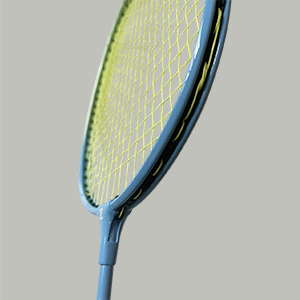
Choosing the best squash racket for speed and control is one of the most important decisions for any player who wants to improve performance on court. Whether you are a beginner learning the basics, an intermediate player refining technique, or an advanced competitor looking for precision, the right squash racket can make a major difference in swing speed, shot accuracy, maneuverability, and overall confidence. In squash, speed and control are two of the most valued qualities, and the ideal racket balances both without sacrificing comfort, stability, or responsiveness.
This guide provides a complete, SEO-friendly overview of squash rackets designed for speed and control. It includes definitions, key features, technical specifications, buying factors, performance benefits, comparison tables, and practical guidance for selecting the right model. The content is written for use in blog articles, category pages, product directory pages, and industry resource pages. It is fully original, uses keyword-focused language, and is structured for search visibility and easy HTML insertion.
A squash racket for speed and control is designed to help players move the racket quickly through the air while maintaining accuracy, touch, and directional precision. In simple terms, speed refers to how fast the racket can be accelerated, which affects reaction time and shot execution. Control refers to how accurately the player can place the ball, absorb pace, and produce consistent shot outcomes.
The best squash racket for speed and control usually combines a lightweight frame, balanced construction, a responsive string bed, and a comfortable grip. These rackets are often easier to maneuver in fast exchanges, especially near the front of the court and during defensive retrievals. They also allow players to generate tighter angles, more precise drops, and better length control from the back of the court.
Squash is one of the fastest racket sports in the world. The game demands rapid decision-making, quick racket preparation, and accurate shot placement under pressure. A racket that supports both speed and control can help players perform better in several ways:
For many players, the ideal squash racket for speed and control is not the most powerful one or the lightest one alone. Instead, it is a balanced design that supports quick movement and dependable ball placement.
The best racket for speed and control is defined by a combination of construction elements. Understanding these features helps players compare options more effectively and choose a racket suited to their playing style.
A lightweight squash racket is usually easier to swing quickly and reposition during rallies. Lighter frames often improve wrist action, volley speed, and defensive recovery. However, a very light racket may feel less stable if it lacks proper balance or frame rigidity. For many players, the sweet spot is a lightweight but well-engineered frame that stays stable at impact.
Balance is one of the most important factors when searching for the best squash racket for speed and control. A head-light balance generally helps with faster handling and easier maneuverability, which supports quick volleys and precise movement at the T. A more evenly balanced frame may offer a compromise between speed, power, and control.
Control depends heavily on stability. A frame that twists too much at impact can reduce accuracy and feel inconsistent. Strong frame construction helps maintain energy transfer and keeps shots predictable. Modern materials such as graphite-based composites are often used to enhance stiffness and reduce unwanted vibration.
String pattern influences control and feel. Denser patterns generally offer better directional precision and consistency, while slightly more open patterns can help with power and spin. For speed and control, many players prefer a pattern that gives enough touch for accurate placement without making the racket feel too muted.
A good grip is essential for accurate racket handling. If the handle feels too large or too small, the player may lose touch and efficiency. Grip comfort also affects confidence during fast exchanges. An ergonomic handle with a suitable grip thickness can improve control and reduce fatigue.
Squash rackets typically come in different head shapes, and each shape affects playability. Teardrop-style frames are often associated with easier power generation, while traditional head shapes are commonly valued for control and consistency. When choosing a racket for speed and control, frame shape should be evaluated alongside balance and weight rather than in isolation.
Below is a practical specifications table that outlines the most important technical factors when evaluating a squash racket for speed and control. These values are general industry ranges and not tied to any specific brand or company.
| Specification | Typical Range | Impact on Speed and Control |
|---|---|---|
| Weight | 110g to 150g unstrung | Lighter rackets improve swing speed and maneuverability; heavier rackets may feel more stable |
| Balance | Head-light to even balance | Head-light designs usually support faster handling and quicker recovery |
| Head Size | Standard to mid-large | Smaller heads often improve precision; larger heads may increase forgiveness |
| Frame Shape | Traditional / Teardrop / Hybrid | Traditional shapes often emphasize control; teardrop designs may support more easy power |
| String Pattern | Dense to medium-open | Denser patterns generally improve touch and directional accuracy |
| Material | Graphite, carbon composite, high-modulus composite | Improves stiffness, response, and vibration control |
| Stiffness | Medium to high | Higher stiffness often improves precision and shot response |
| Grip Size | Thin to medium handle profiles | Affects hand feel, wrist movement, and overall control |
| String Tension | Moderate to high | Higher tension can improve control; lower tension can increase power and comfort |
Weight is one of the most searched and most misunderstood factors when people look for the best squash racket for speed and control. A lighter racket typically allows faster acceleration and easier movement in tight spaces. This can be especially useful at the front of the court, during volleys, and in fast defensive situations.
However, weight alone does not determine performance. A very lightweight racket may feel unstable or produce less consistent contact if the frame is not engineered properly. A slightly heavier racket may provide improved plow-through and stability, which can help with clean control on off-center hits. The goal is to find a weight that supports both quick handling and dependable accuracy.
Balance describes how the weight is distributed along the frame. It plays a major role in how the racket feels during play. A head-light racket is usually easier to whip through the ball, making it highly suitable for speed-oriented players who rely on quick exchanges and rapid wrist action.
An evenly balanced racket can offer a more neutral feel, giving players a blend of maneuverability and stability. This can be an excellent option for all-around players who want versatility. The right balance can enhance control by helping the racket move cleanly through the swing path without feeling sluggish.
The shape of a squash racket influences how the strings respond, how much forgiveness the racket offers, and how the player experiences touch and feel. Different frame profiles are better suited to different playing preferences.
| Frame Type | General Characteristics | Best For |
|---|---|---|
| Traditional Head Shape | Often associated with better control, a defined sweet spot, and classic feel | Players who prioritize accuracy, touch, and consistency |
| Teardrop Shape | Often associated with easier power generation and a larger hitting area | Players who want speed plus easier access to attacking shots |
| Hybrid Shape | Combines elements of both control and power-oriented designs | All-around players seeking balance between precision and speed |
String tension has a direct effect on feel, power, and control. Higher tension generally reduces trampoline effect, which can improve directional control and shot precision. Lower tension often increases power and comfort but may reduce accuracy slightly.
For players looking for the best squash racket for speed and control, a moderate to moderately high string tension is often a strong starting point. This range usually gives enough feedback for precise shot placement while still allowing the racket to remain playable in fast rallies.
| String Tension Range | Performance Effect | Typical Player Preference |
|---|---|---|
| Low tension | More power, more comfort, less precision | Players seeking a softer feel or easier length |
| Medium tension | Balanced power and control | All-round players |
| High tension | Greater control, firmer feel, lower power | Players focused on touch, accuracy, and shot placement |
A well-chosen squash racket that delivers speed and control offers a wide range of performance advantages. These benefits can apply to players at all levels, especially those who value tactical play and quick transitions.
The best squash racket for speed and control is suitable for a wide range of players, but it is especially valuable for those with the following priorities:
This type of racket is also well suited to players who want a balance between offensive and defensive performance. If your game depends on both quick swing speed and accurate execution, a speed-and-control-focused racket can be an excellent choice.
Selecting the right squash racket involves matching the specifications to your playing style, physical preference, and skill level. Use the following checklist to narrow down your options:
The following table compares common squash racket types and how they typically perform in terms of speed and control. This can help readers quickly understand which design direction suits their needs.
| Racket Type | Speed | Control | General Feel |
|---|---|---|---|
| Ultra-light, head-light racket | Very high | Moderate | Extremely quick, agile, responsive |
| Light, evenly balanced racket | High | High | Balanced, versatile, easy to handle |
| Mid-weight, control-oriented racket | Moderate | Very high | Stable, precise, solid on contact |
| Teardrop attack racket | High | Moderate to high | Fast swing, easy power, good all-round use |
| Traditional control racket | Moderate | Very high | Classic feel, accuracy-focused, reliable |
Material quality is an important factor in racket performance. Many modern rackets use advanced composite materials to improve stiffness, reduce vibration, and enhance responsiveness. The material affects how the racket feels when the ball meets the strings and how well it maintains shape under stress.
| Material | Common Benefit | Performance Impact |
|---|---|---|
| Graphite | Lightweight and strong | Supports speed, consistency, and smooth handling |
| Carbon composite | High rigidity and durability | Improves stability and control at impact |
| High-modulus composite | Enhanced frame stiffness | Delivers sharper response and better precision |
| Reinforced polymer components | Added durability and vibration reduction | Can improve comfort and shock absorption |
A squash racket for speed and control can benefit players of different skill levels in different ways.
Beginners often need a racket that is easy to swing and forgiving enough to support learning. A lightweight, balanced design can help new players develop proper technique while still allowing manageable control.
Intermediate players usually want more precision and faster handling as their game becomes more structured. A racket with improved stability and a responsive feel can help them develop better shot variation and consistency.
Advanced players often demand a racket that offers exact response, quick transitions, and strong touch. Control becomes especially important in tight games, where small differences in racket feel can affect the outcome of each shot.
To support search visibility, this topic naturally includes several related keywords and long-tail search phrases. These can be used in titles, headings, meta descriptions, internal links, and supporting content:
When users search for the best squash racket for speed and control, they often compare a few core factors. These include:
These considerations are useful for both first-time buyers and experienced players. They also create a clear information structure that supports SEO and improves user engagement on informational pages.
Even the best squash racket for speed and control needs proper care to keep performing well. Good maintenance helps preserve string response, frame integrity, and grip comfort.
The best squash racket for speed and control is one that combines quick maneuverability, stable construction, precise handling, and a comfortable feel. The ideal choice depends on weight, balance, frame shape, string tension, materials, and individual playing style. Players who want to move fast on court while maintaining shot accuracy should focus on rackets that deliver a balanced blend of speed and control rather than power alone.
Whether you are building an informational blog post, an industry category page, or a squash equipment guide, this topic offers strong SEO potential because it addresses a high-intent search query with practical, evergreen information. By using clear structure, keyword-rich headings, and useful comparison tables, your page can become a valuable resource for readers looking to understand and evaluate the best squash racket for speed and control.
```
Este sitio web utiliza cookies para garantizar que obtenga la mejor experiencia en nuestro sitio web.


 English
 Pусский
 Français
 日本語
 한국어
 العربية
 हिन्दी
 Tiếng Việt
 中文



 Teléfono
Comentario
(0)